
Decoding Cancer: Reprogramming T Cells
Wednesday, November 18, 2026
4:00 PM-5:00 PM ET
T cells play a critical role in the immune system, continuously searching for signs of infection, cancer, and other diseases. But how do these cells decide what to recognize and what to ignore? And what if scientists could reprogram those decisions to improve the body’s ability to fight disease? Michael Birnbaum, Underwood-Prescott Professor in the Department of Biological Engineering and a member of the Koch Institute for Integrative Cancer Research at MIT, is exploring how T cells recognize their targets and how those recognition systems can be redesigned. Birnbaum’s research combines synthetic biology, immunology, and machine learning to analyze millions of immune cells at once and uncover the rules that govern threat detection. His work aims to advance new approaches for engineering immune responses that detect and attack disease with greater precision.
Featured Speakers
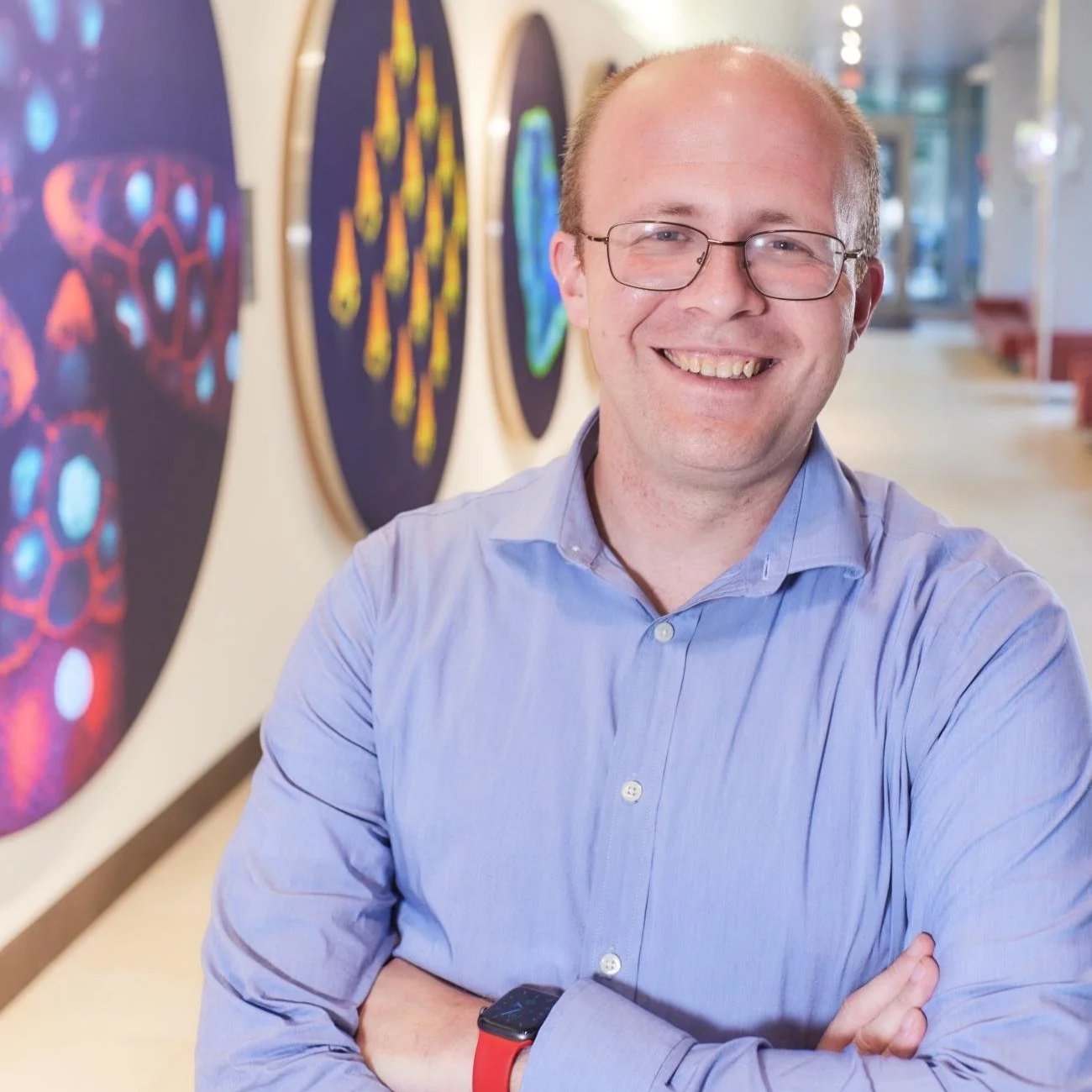
Michael Binrbaum, PhD
Underwood-Prescott Professor, Department of Biological Engineering;
member, Koch Institute for Integrative Cancer Research at MIT
Michael Birnbaum is the Underwood-Prescott Professor, a professor of biological engineering, and a member of the Koch Institute for Integrative Cancer Research at MIT. He earned a bachelor’s degree in chemical and physical biology from Harvard University and a PhD from Stanford University, where he worked with K. Christopher Garcia on the molecular mechanisms of T cell receptor recognition, cross-reactivity, and activation. Following a Helen Hay Whitney Postdoctoral Fellowship in Carla Shatz’s lab at Stanford, he joined the MIT faculty and the Koch Institute in 2016.
Birnbaum has received the AACR-TESARO Career Development Award for Immuno-oncology Research, a Packard Fellowship, a Pew-Stewart Scholarship for Cancer Research, a V Foundation for Cancer Research V Scholar Grant, the Michelson Prize for Human Immunology and Vaccine Research, the Damon Runyon-Rachleff Innovator Award, and the NIH New Innovator Award. He is cofounder and advisor of Kelonia Therapeutics and Abata Therapeutics.
Alison Ringel, PhD
Assistant Professor of Biology
Phillip and Susan Ragon Career Development Professor
Core Member, Ragon Institute
Moderator
Alison Ringel is an assistant professor in the Department of Biology at MIT and a core member of the Ragon Institute. She received a bachelor’s degree in molecular biology, biochemistry, and physics from Wesleyan University, then a PhD in molecular biophysics from John Hopkins University School of Medicine. Previously, Ringel was a postdoctoral fellow in the Department of Cell Biology at Harvard Medical School. As a T cell immunologist, she investigates how aging, nutrition, and obesity affect the immune responses that control tumorigenesis.